
Table of Contents
- Why Do Pets Hide Dental Pain?
- Visible Signs of a Possible Dental Problem
- Behavioural Changes That Can Signal Dental Pain
- Dental Conditions That May Be Hiding Below the Surface
- What Happens During a Professional Dental Evaluation?
- Supporting Dental Health Between Veterinary Visits
- When Should You Arrange an Appointment?
- Conclusion
- Frequently Asked Questions
Dogs and cats cannot explain that a tooth hurts or that their gums feel uncomfortable. Instead, they often continue eating, playing and interacting normally while an oral problem develops below the surface. By the time owners notice an obvious change, the condition may already be affecting the teeth, gums or surrounding tissue.
Access to professional pet dental care in Encino gives owners an opportunity to investigate subtle symptoms before they become more painful or complicated. Understanding what to watch for can help you determine when your pet needs a dental assessment instead of assuming that bad breath or slower eating is a normal part of ageing.
Why Do Pets Hide Dental Pain?
Animals instinctively conceal pain and physical weakness. A dog may continue eating despite having a fractured tooth, while a cat may quietly switch to chewing on one side of its mouth. These adaptations can make dental discomfort surprisingly difficult to recognize.
Changes may also develop gradually. When an animal adjusts its behaviour over several weeks, an owner may not immediately connect those changes with a painful mouth. Regular observation and a professional veterinary dental exam can uncover problems that are difficult to see at home.
Visible Signs of a Possible Dental Problem
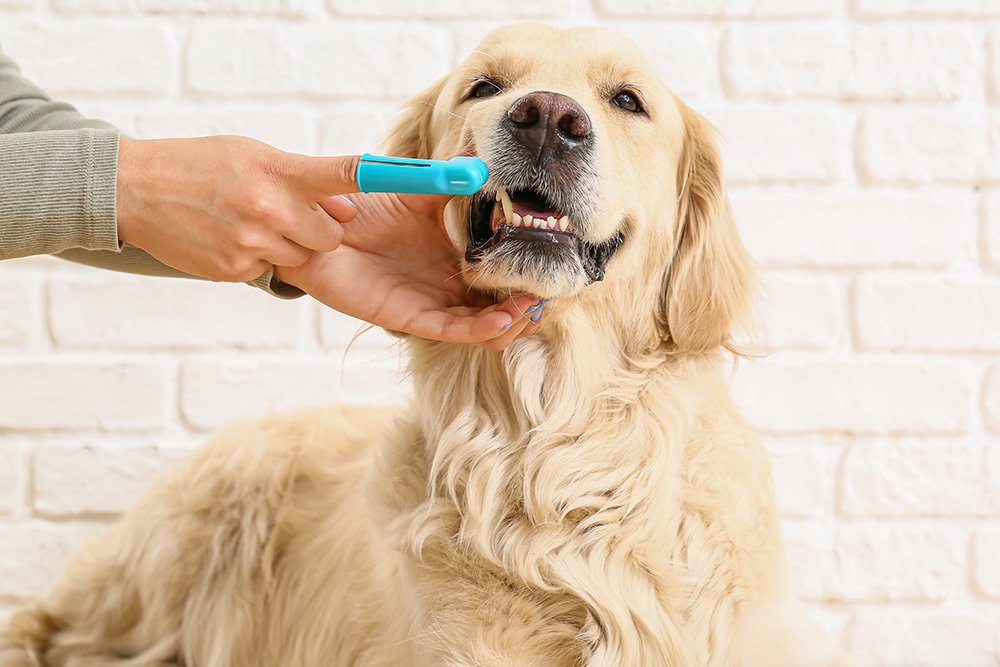
Some oral problems produce clear physical symptoms. Owners should occasionally observe their pet while it eats, drinks, yawns or plays with toys. Avoid forcing the mouth open because an animal experiencing pain may react unexpectedly.
Contact a veterinarian if you notice:
- Persistent bad breath, red gums or bleeding around the teeth
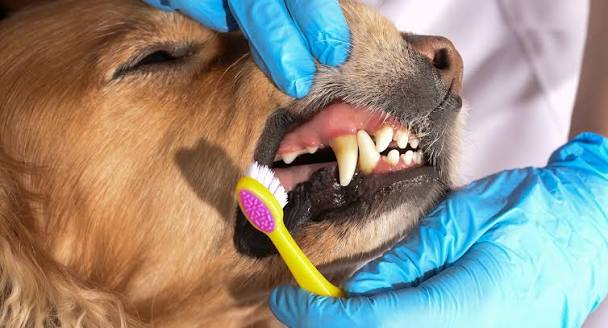
- Yellow or brown tartar accumulating along the gumline
- A broken, loose, missing or unusually discoloured tooth
- Swelling around the mouth, jaw or under one eye
- Excessive drooling or blood in the saliva
- Food repeatedly falling from the mouth while chewing
Bad breath should not automatically be blamed on age or diet. It can be associated with bacteria, plaque accumulation or pet gum disease. A veterinarian can determine whether the smell is caused by an oral condition or another health concern.
Behavioural Changes That Can Signal Dental Pain
The earliest signs are not always visible inside the mouth. Dental discomfort may change how a pet eats, plays, or responds to touch.
Watch for behaviours such as:
- Chewing only on one side of the mouth
- Taking longer to finish meals or avoiding hard food
- Losing interest in chew toys
- Pawing at the face or rubbing it against furniture
- Pulling away when the head or mouth is touched
- Becoming unusually quiet, withdrawn or irritable
These symptoms do not prove that a dental condition is present, but they deserve attention. Changes in appetite and behaviour can have several medical causes, so an examination is safer than trying to diagnose the problem at home.
Dental Conditions That May Be Hiding Below the Surface
Plaque contains bacteria and can harden into tartar when it is not removed. Inflammation may then develop around the gums and supporting structures of the teeth. Advanced periodontal disease can lead to pain, infection, loose teeth and damage to the bone surrounding tooth roots.
Other potential problems include fractured teeth, retained baby teeth, tooth-root infections, oral growths and feline tooth resorption. Cats affected by resorptive lesions may experience considerable discomfort even when the visible part of the tooth looks relatively normal.
The American Veterinary Medical Association explains that much of a pet’s dental disease can exist below the gumline. This is why looking at the visible tooth surface alone cannot provide a complete picture of pet oral health.
What Happens During a Professional Dental Evaluation?
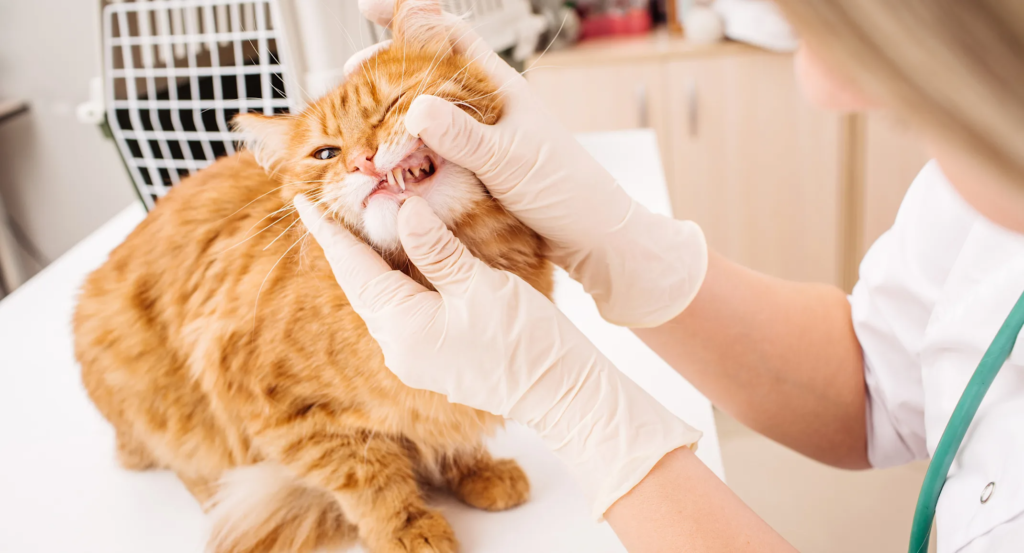
A veterinarian begins by reviewing changes in eating, behaviour, breath and overall health. The visible teeth, gums, tongue and surrounding tissues are then examined. If a more complete evaluation is needed, the veterinarian may recommend bloodwork, anaesthesia, dental imaging and cleaning.
A professional pet dental cleaning is more thorough than removing visible tartar. Depending on the findings, the procedure may involve:
- Scaling above and below the gumline
- Polishing the teeth after plaque and tartar removal
- Probing around individual teeth for periodontal pockets
- Examining every tooth for damage or mobility
- Treating or extracting teeth that cannot be saved
- Creating an aftercare and home-cleaning plan
Pet dental X-rays are particularly important because they reveal the tooth roots and supporting bone. They may identify abscesses, bone loss, retained roots and other conditions that cannot be confirmed through a visual examination.
Professional cleaning generally requires anaesthesia so the veterinary team can safely evaluate the entire mouth, work below the gumline and obtain clear images without causing unnecessary stress or movement. The veterinarian should evaluate the individual patient and explain the safety precautions before recommending a procedure.
Supporting Dental Health Between Veterinary Visits
Home care cannot correct a fractured tooth, advanced periodontal disease or an established infection. However, a consistent routine may help control plaque and support healthier teeth between professional visits.
Helpful measures include:
- Brushing with pet-safe toothpaste as frequently as your veterinarian recommends
- Introducing brushing gradually with treats and positive reinforcement
- Selecting dental chews, diets or products carrying the VOHC Seal of Acceptance
- Checking for changes in breath, eating habits and gum appearance
- Scheduling oral examinations according to your pet’s individual needs
Never use human toothpaste because some ingredients may be unsafe for animals. Hard objects such as bones, antlers and rigid toys can also fracture teeth. Ask your veterinarian which products are appropriate for your pet’s size, chewing style and current dental condition. The Veterinary Oral Health Council maintains lists of accepted products for dogs and cats.
A personalized dog dental care plan may differ from a feline routine. Some dogs readily accept brushing but chew aggressively enough to damage teeth on hard objects. Effective cat dental care often requires a slower introduction because many cats dislike having their lips or face handled.
When Should You Arrange an Appointment?
Do not wait for a routine visit if your pet stops eating, develops facial swelling, experiences mouth bleeding or appears to be in significant pain. A broken tooth, suspected infection or sudden inability to chew should be evaluated promptly.
For less urgent concerns such as worsening breath, tartar or gradual eating changes, schedule an examination soon. Seeking pet dental care in Encino early allows the veterinarian to identify the cause and discuss appropriate options before discomfort becomes more severe.
Conclusion
Dental pain can be easy to miss because pets often adapt without showing dramatic symptoms. Small changes in chewing, appetite, play or behaviour may be their only way of communicating discomfort.
Regular examinations, attentive home monitoring and professional pet dental care in Encino can help protect comfort and long-term oral function. If something about your pet’s behaviour or mouth seems different, arranging an evaluation is better than waiting for unmistakable pain.

Concerned about your pet’s teeth, breath or eating habits? Visit Encino Pet Hospital & Emergency for an oral evaluation. Get directions to the hospital on Ventura Boulevard and plan your visit.
Frequently Asked Questions
How often should my pet receive a dental examination?
The AVMA advises owners to have their pet’s teeth checked by a veterinarian at least once a year. Some animals need more frequent monitoring because of their age, breed, health history or previous dental disease.
Is bad breath normal in older pets?
Persistent bad breath should not be considered an unavoidable part of ageing. It may be related to plaque, periodontal disease, an infected tooth or another health condition. A veterinary examination can identify the cause.
Can pets still eat when they have dental pain?
Yes. Many pets continue eating despite painful teeth or gums. They may swallow food without chewing, eat more slowly, choose softer food or chew on only one side.
Can brushing replace a professional cleaning?
Brushing helps control plaque, but it cannot remove hardened tartar or treat problems beneath the gumline. It should complement professional veterinary dentistry, not replace an examination or recommended treatment.
Is anaesthesia necessary for a complete dental cleaning?
Anaesthesia allows the veterinary team to examine each tooth, clean below the gumline and obtain diagnostic images while protecting the patient from stress, pain and accidental movement. The veterinarian should assess the pet beforehand and tailor the protocol to its health.