
When it comes to enhancing the aesthetics and functionality of your property, few elements make as big of an impact as fence cladding. Transforming a plain and mundane fence into a striking architectural feature, fence cladding not only adds privacy and security but also boosts curb appeal and overall property value. In this comprehensive guide, we delve into the world of fence cladding, exploring its benefits, materials, installation methods, and design options to help you make informed decisions for your next home improvement project.
Table of Contents
The Importance of Fence Cladding
Fence cladding serves as the outer layer of your fence, providing both decorative and protective functions. Beyond its aesthetic appeal, fence cladding shields your property from external elements such as wind, rain, and sun exposure, thereby prolonging the lifespan of your fence. Additionally, fence cladding enhances privacy by obscuring the view into your property, creating a more secure and secluded environment for you and your family.
Exploring Different Materials for Fence Cladding
1. Wood Cladding:
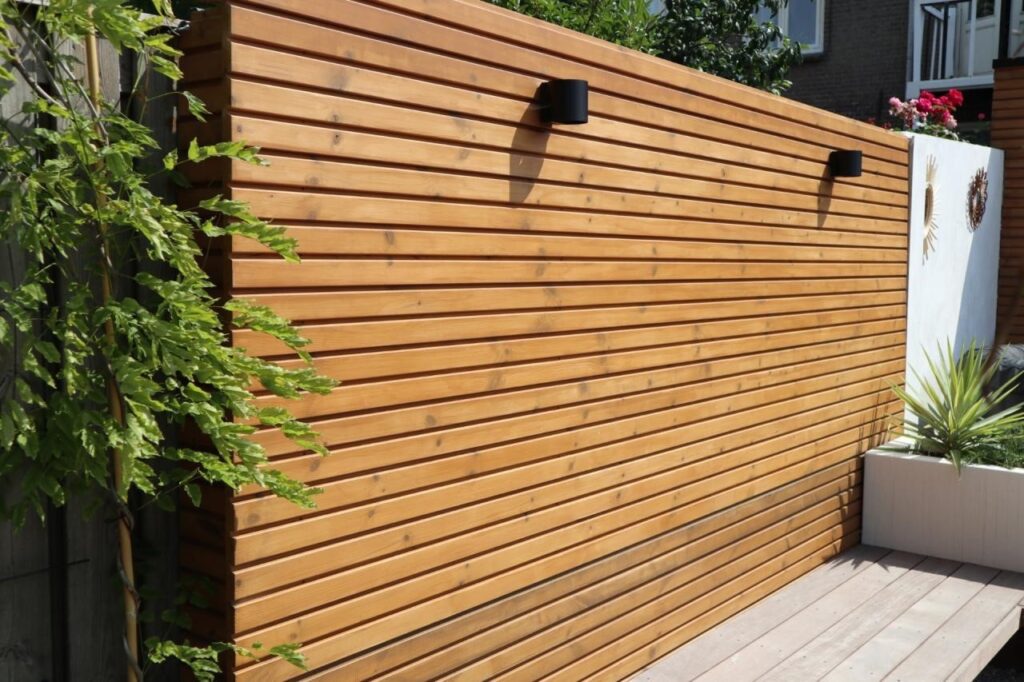
- Wood cladding exudes warmth and natural beauty, making it a popular choice for traditional and rustic-inspired settings. With options ranging from cedar and redwood to pine and spruce, wood cladding offers versatility in terms of color, texture, and finish.
- However, it’s important to note that wood cladding requires regular maintenance, including staining or painting and periodic sealing, to prevent rot, warping, and insect infestation.
2. Vinyl Cladding:
- Vinyl cladding provides a low-maintenance alternative to wood, offering exceptional durability and resistance to moisture, fading, and pests. Available in an array of colors and styles, vinyl cladding allows for easy customization to complement your home’s exterior.
- While vinyl cladding requires minimal upkeep, it may be susceptible to cracking or discoloration over time due to prolonged exposure to sunlight and extreme temperatures.
3. Metal Cladding:
- Metal cladding, such as aluminum or steel, delivers a sleek and modern aesthetic, perfect for contemporary and industrial-inspired designs. In addition to its striking appearance, metal cladding offers superior strength, longevity, and resistance to corrosion and fire.
- Although metal cladding tends to be more expensive upfront, its durability and minimal maintenance requirements make it a cost-effective investment in the long run.
Installation Methods for Fence Cladding
1. Vertical Installation:
- Vertical installation involves attaching cladding panels or boards vertically along the length of the fence. This method creates a sense of height and emphasizes the vertical lines of your property, making it appear taller and more spacious.
2. Horizontal Installation:
- Horizontal installation entails mounting cladding elements horizontally, parallel to the ground. This technique enhances the width of your property while accentuating its horizontal planes, resulting in a contemporary and visually appealing look.
3. Layered Installation:
- The layered installation combines multiple cladding materials or textures to create depth and visual interest. By layering different materials or alternating their placement, you can achieve a unique and dynamic facade that reflects your personal style and architectural vision.
Design Options for Fence Cladding
1. Louvered Panels:
- Louvered panels feature angled slats or fins that allow for airflow and light filtration while maintaining privacy. Ideal for hot climates or windy environments, louvered panels offer a balance of openness and seclusion, enhancing both comfort and security.
2. Slatted Screens:
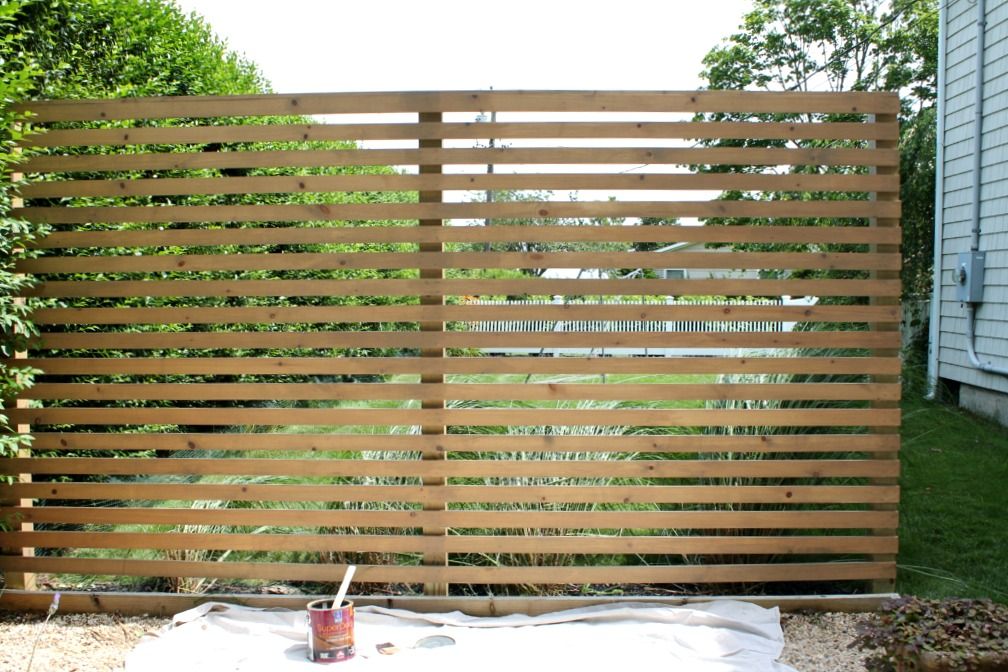
- Slatted screens consist of narrow horizontal or vertical slats spaced evenly apart to create a sense of rhythm and pattern. Whether used as standalone panels or integrated into existing fences, slatted screens add texture and visual intrigue to outdoor spaces.
3. Decorative Trellis:
- Decorative trellis combines cladding elements with lattice or grid patterns, providing support for climbing plants and vines. Beyond its ornamental value, the decorative trellis adds a touch of romance and charm to gardens, patios, and outdoor living areas.
Conclusion
From classic wood to modern metal, fence cladding offers endless possibilities for elevating the look and functionality of your property. By selecting the right materials, installation methods, and design options, you can create a custom fence cladding solution that enhances curb appeal, increases privacy, and adds value to your home for years to come.