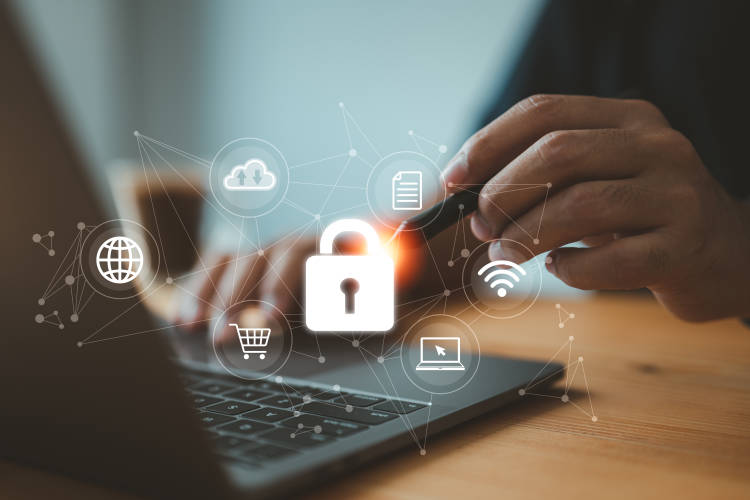
Media security is essential for preserving the integrity, confidentiality, and availability of digital content. As media organizations increasingly rely on digital platforms, the risk of cyber threats and data breaches has grown exponentially. Implementing robust media security service measures is crucial for preventing unauthorized access and ensuring the safe distribution of media assets.
What is Media Security?
Media security protects digital media assets from unauthorized access, alteration, or destruction. This includes safeguarding various forms of media such as videos, images, audio files, and documents. Effective media security ensures that only authorized individuals can access and manipulate these assets, maintaining their integrity and confidentiality.
Why is Media Security Important?
Protecting Intellectual Property
Media content, including movies, music, and digital art, represents significant intellectual property (IP) value. Unauthorized access or distribution of this content can result in substantial financial losses and damage the creator’s reputation. To combat this, media security measures are implemented to protect IP by preventing piracy and unauthorized copying. These measures include digital rights management (DRM), encryption, and watermarking, which help secure the content from being illegally duplicated or distributed. By safeguarding IP, creators can ensure they receive the proper credit and compensation for their work, maintaining their livelihood and encouraging continued innovation in the media industry.
Safeguarding Sensitive Information
Media files often contain sensitive information, such as personal data, confidential communications, and proprietary information. Ensuring the security of these files is critical to preventing data breaches and maintaining the privacy of individuals and organizations. Robust security protocols, including encryption and secure file storage, are essential in protecting this information from unauthorized access. Additionally, access controls and regular security audits can help identify and mitigate potential vulnerabilities. By safeguarding sensitive information, organizations can uphold their ethical and legal responsibilities, building trust with clients and stakeholders.
Preventing Data Breaches
Data breaches can have severe consequences, including financial losses, legal liabilities, and damage to an organization’s reputation. Implementing robust media security practices is crucial in mitigating the risk of such breaches. Measures such as multi-factor authentication, regular security assessments, and employee training on cybersecurity best practices are effective in preventing unauthorized access to media assets. Additionally, having a comprehensive incident response plan can help organizations quickly address and contain breaches if they occur. By taking these proactive steps, organizations can protect their valuable data and maintain the trust of their clients and audiences.
Solutions for Media Security
Secure Cloud Storage
Cloud storage solutions offer a secure and scalable way to store media assets, accommodating growing data needs without compromising security. By selecting a cloud provider that implements robust security features such as encryption, access controls, and compliance with industry standards, businesses can ensure their media assets are well-protected. Encryption safeguards data both in transit and at rest, making it unreadable to unauthorized users. Access controls restrict who can view or modify the data, reducing the risk of internal and external breaches. Compliance with industry standards like GDPR or HIPAA ensures that the storage practices meet legal and regulatory requirements, providing an additional layer of trust and security.
Content Delivery Networks (CDNs)
Content Delivery Networks (CDNs) significantly enhance the security and performance of media delivery by distributing content across multiple servers worldwide. This distribution minimizes the risk of cyber attacks, as the media content is not concentrated in a single location, making it harder for attackers to target. Additionally, CDNs ensure fast and reliable access to media files by serving content from the closest server to the user, reducing latency and load times. CDNs also provide built-in security features such as DDoS protection and SSL encryption, which further protect media assets from unauthorized access and disruptions. By leveraging a CDN, businesses can achieve a more resilient and efficient media delivery infrastructure.
Media Asset Management (MAM) Systems
Media Asset Management (MAM) systems offer centralized control over media assets, streamlining storage, access management, and workflow automation. These systems enhance media security by providing detailed access logs that track who accessed or modified the assets, ensuring accountability. Version control features allow for the management of different versions of media files, preventing accidental overwrites and ensuring the integrity of the content. Automated backup processes protect media assets from data loss, ensuring that they are recoverable in case of hardware failure or other issues. Additionally, MAM systems can integrate with existing security protocols, providing a cohesive and secure environment for managing media assets.
Frequently Asked Questions
What is the difference between media security and cybersecurity?
Media security specifically focuses on protecting digital media assets, such as videos, images, and audio files, from unauthorized access and manipulation. Cybersecurity, on the other hand, is a broader term that encompasses the protection of all digital assets and IT systems from cyber threats.
How can I ensure my media files are secure?
To ensure media file security, implement strong access controls, encrypt media files, regularly update security protocols, and use DRM technologies. Additionally, consider using secure cloud storage and MAM systems to manage and protect your media assets.
What are the risks of not implementing media security?
Failing to implement media security measures can result in unauthorized access to media files, data breaches, financial losses, legal liabilities, and damage to an organization’s reputation. Protecting media assets is essential to mitigate these risks.
How does encryption protect media files?
Encryption protects media files by converting them into an unreadable format that can only be accessed with a decryption key. This ensures that even if the files are intercepted, they cannot be accessed without the appropriate authorization.
Conclusion
Media security is a critical aspect of protecting digital assets in the modern digital landscape. By implementing strong access controls, encrypting media files, regularly updating security protocols, and utilizing DRM technologies, organizations can safeguard their media content from unauthorized access and cyber threats. Investing in secure cloud storage and MAM systems further enhances media security, ensuring the integrity, confidentiality, and availability of media assets. Prioritizing media security is essential for protecting intellectual property, safeguarding sensitive information, and preventing data breaches.